ARTWORK CHARGES & INFORMATION FOR ALL YOUR PRINT JOBS
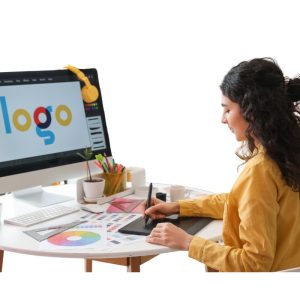
Graphic design for offset printing involves the meticulous process of creating print-ready files that adhere to specific technical requirements. These include using the CMYK color mode, ensuring high resolution at 300 DPI, embedding fonts, and incorporating proper bleeds, typically around 3mm. These elements are crucial to achieving sharp, professional results. The focus is on clarity, branding, and engaging layouts, utilizing design elements such as white space to create impactful brochures, business cards, and catalogs that truly stand out in the market.
In essence, offset design is not merely about aesthetics; it is about achieving technical precision to effectively translate digital concepts into tangible, high-quality print materials.
Key Technical Considerations:
Color Mode: It is essential to use the CMYK (Cyan, Magenta, Yellow, Black) color mode for all design elements, as opposed to RGB, to ensure color accuracy in print.
Resolution: All images and graphics should be set at 300 DPI (dots per inch) to guarantee clear, non-pixelated prints that maintain their quality.
Bleed: Background colors and images should extend 3mm beyond the final trim line to prevent any unwanted white edges after the cutting process.
Rich Black: For achieving deep blacks, use a combination of C30 M30 Y30 K100; for a colder tone, consider using C40 K100.
File Format: The final design should be exported as a high-quality, flattened PDF with bleed settings included to ensure it is ready for printing.
Design Best Practices:
White Space: Strategic use of negative space is important to enhance readability, focus, and engagement within the design.
Typography: Reversed text (light on dark backgrounds) should be at least 7pt to maintain legibility.
Vector Graphics: Utilize vector formats such as AI, EPS, or SVG for logos and icons to ensure they scale perfectly without losing quality.
Layering: Important text and graphics should be kept away from the trim edge by using a ‘safety margin’ to prevent accidental cropping.
Why Professional Design Matters:
Brand Consistency: Professional design ensures that visuals are aligned with your brand’s message, maintaining consistency across all materials.
Impact: Well-designed materials not only stand out but also help build connections with the audience.
Efficiency: Ensuring files are “press-ready” helps avoid costly delays and reprints, making the process more efficient.


 Call Now